
International Kiswahili Language Day is celebrated every year on 7 July to honor and strengthen the Kiswahili language, an essential language for communication, education, culture, and regional as well as global cooperation. Kiswahili continues to grow from a widely spoken community language into a language increasingly visible in education, media, institutions, and digital spaces.
For the Digital Agenda for Tanzania Initiative (DA4TI), this day is more than a celebration. It reflects a commitment to action: ensuring that digital content and learning resources are accessible, understandable, and developed with inclusion in mind especially through the lens of Kiswahili language localization. That is why we prioritize supporting Kiswahili-language materials on topics such as digital governance, online safety, and digital information security.
Kiswahili: Building an Inclusive Digital Society.
Growing Kiswahili in technology and the digital ecosystem means more than translation. It means enabling people to:
– access knowledge in a language they understand,
– strengthen digital literacy and confidence in using online tools,
– and benefit from learning and public information without leaving anyone behind, particularly groups that face language barriers.
DA4TI believes that Kiswahili-centered digital content improves fairness in access to digital opportunities and enhances the ability of citizens to engage in digital spaces confidently, especially young people and women.
Localization as a Practical Approach to Knowledge and Change.
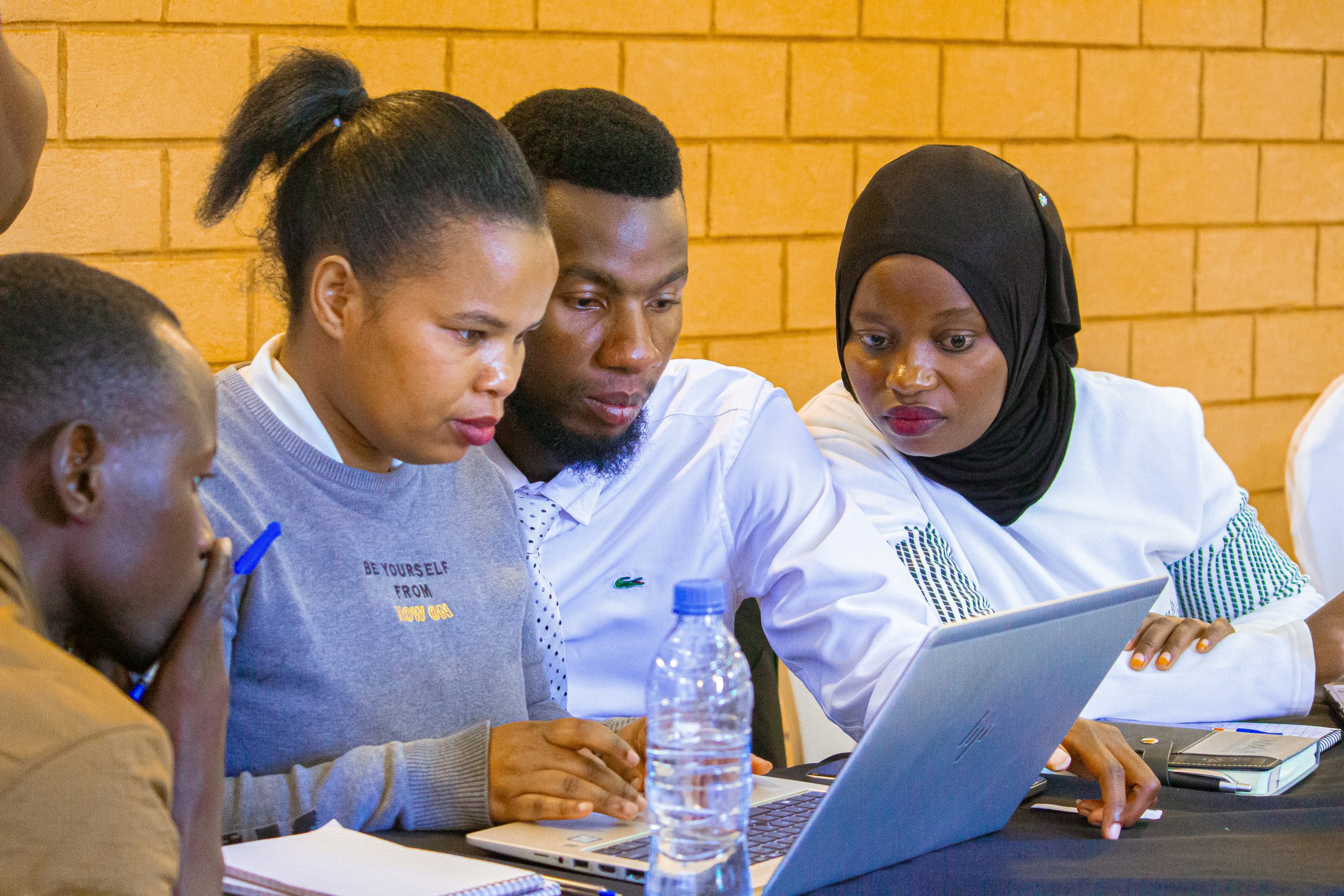
Through our Localization Initiative supporting English/French to Kiswahili content, DA4TI continues to develop and share Kiswahili learning resources and digital safety materials with a clear focus on practical understanding. Our goal is to localize training on digital governance and online safety , including tools that help communities know how to protect themselves, make informed decisions, and participate meaningfully in digital life.
In this way, Kiswahili becomes a bridge between communities and digital systems: not only providing information, but enabling people to act, learn, and participate in development.
Supporting SDGs and Regional Integration.
Kiswahili localization contributes directly to advancing the Sustainable Development Goals (SDGs) 2030, particularly through inclusion and stronger access to education and capacity-building. When more people can learn digital skills and digital rights in Kiswahili, the entire society becomes more capable of contributing to progress, whether it’s using the internet safely, understanding digital responsibilities, or improving participation in trade, governance, and regional cooperation.
A Call to Action: Kiswahili for Digital Development.
As we celebrate International Kiswahili Language Day, we call on all stakeholders, educational institutions, media organizations, policy-makers, civil society, content creators, and technology partners to accelerate efforts that strengthen Kiswahili in digital spaces by:
– producing high-quality Kiswahili digital content,
– designing tools and platforms that respect and support language accessibility,
– and expanding opportunities for everyone to benefit from digital knowledge.
At DA4TI, we remain committed to localizing digital content into Kiswahili so that the digital future is inclusive, empowering, and accessible to all.
Happy International Kiswahili Language Day!
Digital Kiswahili for Education, Safety, and Development.
About the Author
Peter Mmbando, is enthusiastic in Cyber Diplomacy, Digital Rights and AI governance, with a strong commitment to fostering cyber peace, sustainable development and addressing the urgent challenges of digital climate resilience.Peter Mmbando can be reached on LinkedIn and on X.