
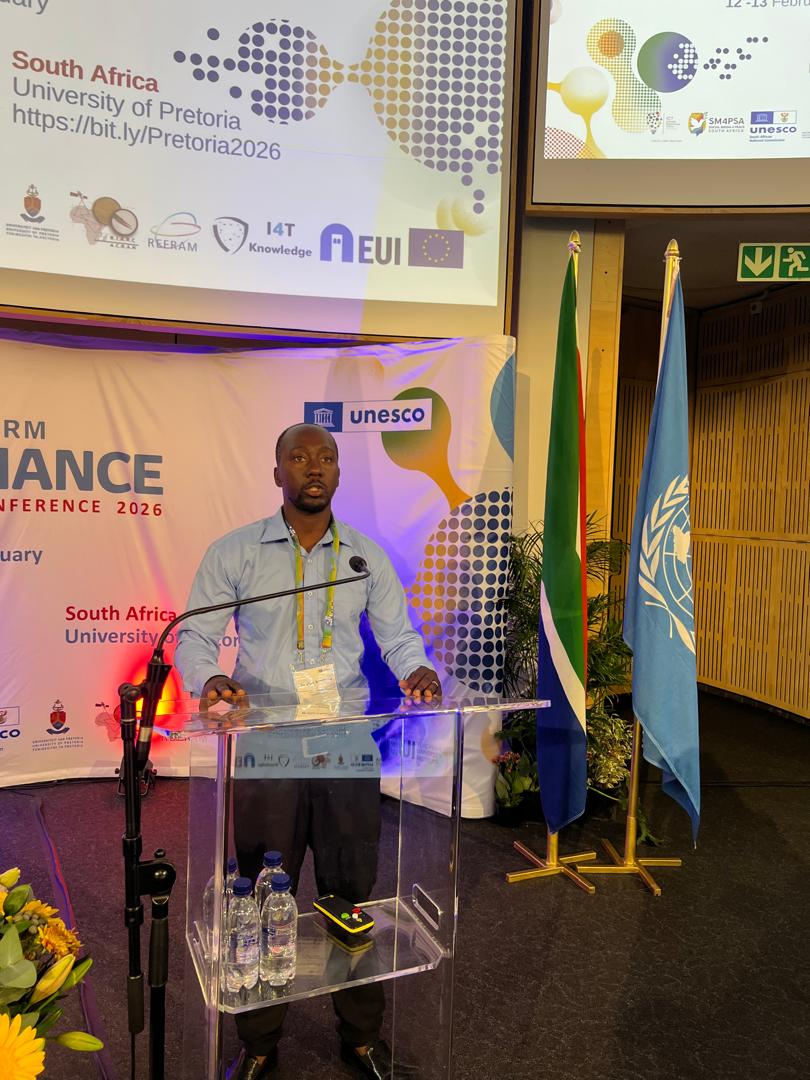
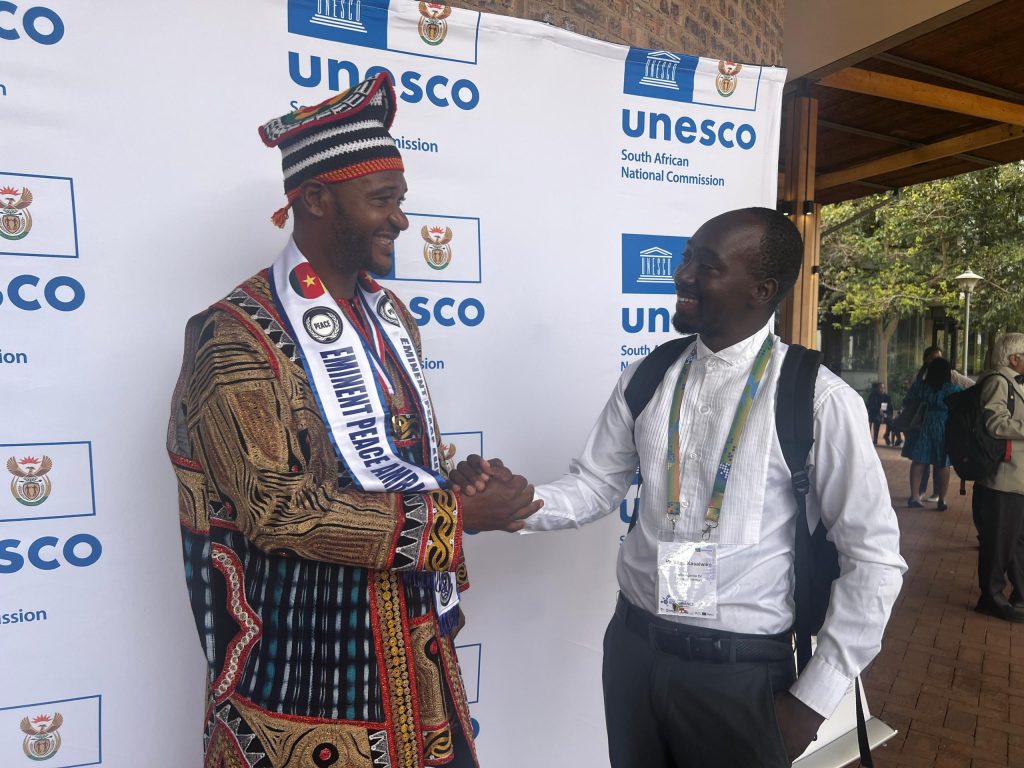
The Digital Agenda for Tanzania initiative proudly participated in the International Conference on Digital Platform Governance 2026, held from February 11-13, 2026, at the Future Africa Campus, University of Pretoria, in Pretoria, South Africa. Vitus Kasalwike represented the organization at this vital global gathering, which brought together key stakeholders from across the world to address critical issues surrounding digital governance and platform regulation in an increasingly interconnected digital landscape.
Co-hosted by the Information, Communication, Technologies and Media Regulators Forum of South Africa and Social Media 4 Peace South Africa (SM4PSA), the three-day conference benefited from robust support by UNESCO, the African Communication Regulation Authorities Network (ACRAN), the Francophone Network of Media Regulators (REFRAM), the I4T Knowledge Network, and the European Union. This impressive coalition of partners underscored the global significance of the event and the collective commitment to advancing responsible digital governance frameworks.
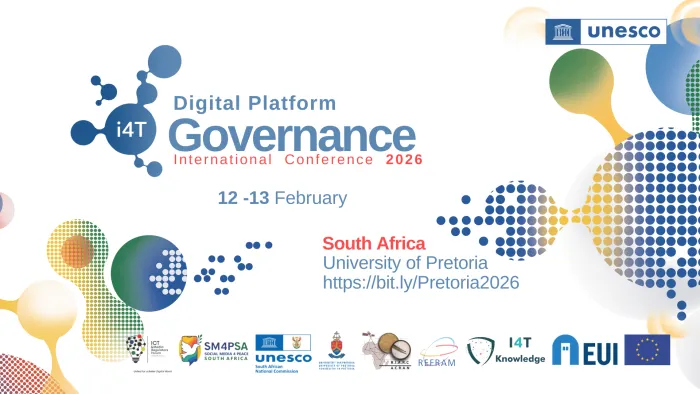
The second edition of this conference served as a vital platform for media and communication regulators, governments, electoral bodies, digital platforms, civil society organizations, academia, and international bodies to engage in meaningful dialogue. The primary focus centered on advancing human rights-based and multistakeholder approaches to digital governance, while assessing tangible progress in implementing the UNESCO Guidelines for the Governance of Digital Platforms. These discussions are particularly crucial as nations worldwide grapple with balancing innovation, freedom of expression, and the protection of fundamental rights in digital spaces.
Throughout the conference, participants engaged in dynamic public plenaries and side events that showcased diverse regional perspectives and facilitated thematic discussions on pressing digital governance challenges. The multistakeholder collaboration emphasized strengthening freedom of expression and enhancing information integrity online-two pillars essential to building trust in digital ecosystems. These sessions provided invaluable opportunities for knowledge exchange and the development of collaborative solutions to shared challenges.
Vitus Kasalwike’s participation over the three days ensured that Tanzania’s voice and perspectives were heard in these critical global conversations. His representation of the Digital Agenda for Tanzania at the University of Pretoria’s prestigious Future Africa Campus demonstrated our nation’s commitment to actively contributing to international dialogue on digital governance while learning from global best practices and innovations. This engagement positions Tanzania as a proactive participant in shaping the future of digital platform governance on the African continent and beyond.
The conference also marked the second annual gathering of the Global Forum of Networks (GFN), following its successful launch in 2024 in Dubrovnik, Croatia. This forum has emerged as an essential mechanism for sustained collaboration and knowledge sharing among networks dedicated to digital governance issues worldwide. The continuity of this forum signals a long-term commitment to building robust, interconnected networks that can respond effectively to evolving digital challenges.
The Digital Agenda for Tanzania remains steadfast in its commitment to engaging with global partners to ensure that our nation’s digital future is inclusive, rights-respecting, and aligned with international standards of excellence.
As digital platforms continue to profoundly influence our societies, economies, and democratic processes, Tanzania’s active participation in such international forums reflects our dedication to responsible digital governance that safeguards human rights while fostering innovation and digital inclusion. The insights gained, relationships forged, and best practices observed during those three days in Pretoria will significantly contribute to strengthening Tanzania’s digital agenda and informing our approach to platform governance in the years ahead.