

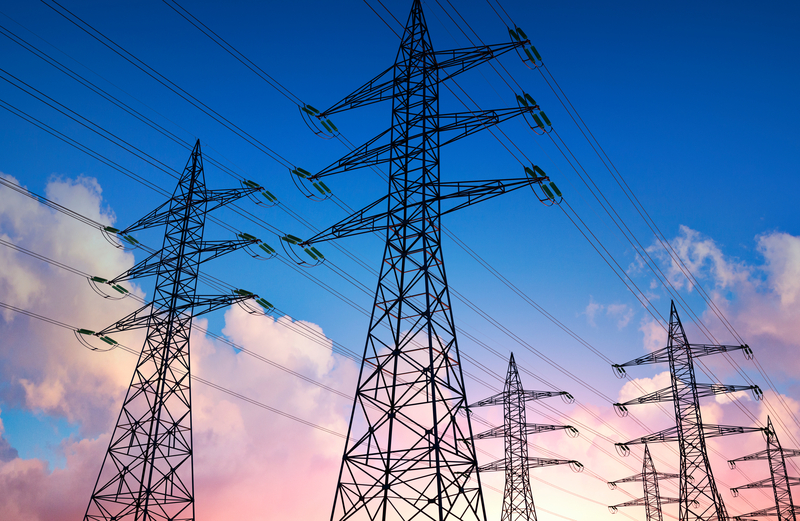
As the global AI race intensifies, energy capacity emerges as the critical bottleneck for developing nations seeking technological transformation.
As artificial intelligence reshapes the global economy, energy infrastructure has emerged as the foundational pillar determining which nations can participate in the digital revolution. While countries like China have invested heavily in AI, they have simultaneously prioritized energy systems to support it, demonstrating that reliable electricity is not just a utility but a strategic national asset. In 2024, China deployed advanced underwater cooling systems for AI data centers, leveraging ocean temperatures to reduce energy consumption by up to 30%, highlighting how energy infrastructure is now central to technological competitiveness. For developing nations such as Tanzania, the challenge is not merely about generating more power, but about building an energy system capable of supporting the next wave of digital transformation.
Tanzania currently generates approximately 1,854 megawatts of electricity, according to the Tanzania Electric Supply Company (TANESCO), with ambitions to reach 5,000 MW by 2025. However, progress has been slow, and the country continues to face regular load-shedding and energy shortages, particularly in rural areas where electrification rates remain below 40%. The energy mix is heavily reliant on fossil fuels; natural gas accounts for 48%, hydropower for 31%, and petroleum products for 18%, with only 3% from other renewables. This imbalance, coupled with inadequate grid infrastructure, makes it difficult to support energy-intensive operations such as AI data centers, which require stable, abundant power.
The urgency of this situation is emphasized by the five-layer framework for AI infrastructure outlined by NVIDIA CEO Jensen Huang at the 2026 World Economic Forum. The layers are energy, chips, infrastructure, AI models, and applications each dependent on the one before it. “You cannot skip Layer 1,” Huang emphasized. “Energy is the foundation. Without reliable electricity, everything else fails.” This means that for Tanzania to develop AI capabilities, it must first resolve its energy deficit. Without sufficient generation capacity, the country will struggle to attract investment, develop digital services, or build the infrastructure needed to compete in the global AI economy.
The energy demands of AI infrastructure are substantial. A single large-scale AI data center requires 50–100 MW of continuous power, enough to supply about 50,000 homes. For Tanzania to support even modest AI initiatives, it would need to add 675–1,450 MW of new generation capacity just for AI-related needs, including data centers, cryptocurrency mining, AI-powered healthcare systems, electric vehicle infrastructure, smart agriculture, and automated mining operations. This does not include the additional energy required for general economic growth, industrial expansion, and rising residential demand, which could add another 2,000–3,000 MW by 2030.
One of the most overlooked aspects of AI infrastructure is cooling. Data centers generate immense heat, and in Tanzania’s tropical climate, cooling requirements could be 15–25% higher than in temperate regions. This means that for every megawatt dedicated to computing, an additional 400–500 kilowatts may be needed just for cooling, significantly increasing the energy burden. While Tanzania possesses natural gas reserves estimated at 57 trillion cubic feet, the infrastructure to convert these into reliable electricity remains underdeveloped, with gas-to-power projects facing persistent delays and technical challenges.
“Tanzania’s current generation capacity cannot support even basic industrialization needs, let alone energy-intensive AI operations,” notes Dr. Mkubwa Mwakaje, energy economist at the University of Dar es Salaam. “We’re looking at a deficit that could reach 3,000 MW within five years if AI adoption accelerates as projected.” This sobering assessment underscores the urgency of the situation and the scale of investment required to bridge the gap between current capacity and future needs.
Global investment in AI infrastructure has reached $200 billion in 2024, with energy infrastructure emerging as the fastest-growing segment. However, developing nations have attracted less than 5% of this investment, primarily due to concerns over energy reliability. “We conduct detailed energy audits before considering any AI-related investments in emerging markets,” notes Sarah Chen, Managing Director at Blackstone’s Infrastructure Group. “Countries without credible energy expansion plans simply don’t make our shortlist.” The World Bank’s 2025 report on digital infrastructure in Africa identifies energy capacity as the single greatest barrier to technology sector development, with Tanzania specifically cited as a country with “significant digital potential constrained by fundamental energy deficits”.
Regional Competition in AI Infrastructure
Regional competition is intensifying. Ethiopia has established itself as East Africa’s technology hub, leveraging the 5,150 MW Grand Ethiopian Renaissance Dam to attract AI partnerships with Chinese firms. Kenya has attracted $1.2 billion in data center investments since 2023, supported by geothermal energy capacity exceeding 900 MW. Rwanda partnered with Microsoft in 2024 to establish an AI research center powered by methane to electricity conversion from Lake Kivu, while Uganda launched a 600 MW solar project specifically designed to support technology infrastructure. These developments highlight how energy infrastructure is becoming a decisive factor in economic competitiveness.
For Tanzania, the stakes are high. The African Development Bank estimates that countries successfully establishing AI infrastructure could see GDP growth 2–3 percentage points higher than those without. For Tanzania, this could translate to an additional $3–5 billion in economic output by 2035. Conversely, failure to act could result in lost foreign direct investment, brain drain as tech talent migrates to better equipped countries, increased technology import costs, and a widening digital divide with regional competitors. The country risks being excluded from emerging AI-driven industries in healthcare, agriculture, finance, and manufacturing.
To avoid this outcome, Tanzania must act decisively. Immediate priorities include fast-tracking 500–750 MW of new generation capacity through gas, solar, and hydropower projects; investing $500 million in grid transmission infrastructure to ensure reliable power delivery; reforming regulatory processes to streamline energy project approvals; and establishing public-private partnerships to attract private investment. Medium-term goals should focus on expanding renewable energy capacity to 2,000 MW, enhancing regional interconnection for power trading, and incentivizing energy-efficient cooling technologies. The long-term vision must target 8,000–10,000 MW of total capacity by 2035, with 60% from renewable sources, enabling the establishment of a regional AI data center hub in Dar es Salaam and potentially exporting electricity to neighboring countries.
The window of opportunity is closing. As the AI revolution accelerates, countries that secure energy infrastructure today will dominate tomorrow’s digital economy. Tanzania has the natural resources, human capital, and economic potential to become a regional technology leader but only if energy infrastructure receives the urgent, sustained investment it requires. The choice is clear: invest in energy now, or risk being left behind in the AI-driven world of the future.
About the Author
Peter Mmbando, is enthusiastic in Cyber Diplomacy, Digital Rights and AI governance, with a strong commitment to fostering cyber peace, sustainable development and addressing the urgent challenges of digital climate resilience.Peter Mmbando can be reached on LinkedIn and on X
Disclaimer: The views expressed in this article are those gathered by the author and do not necessarily reflect the official position of DA4TI or its affiliates.